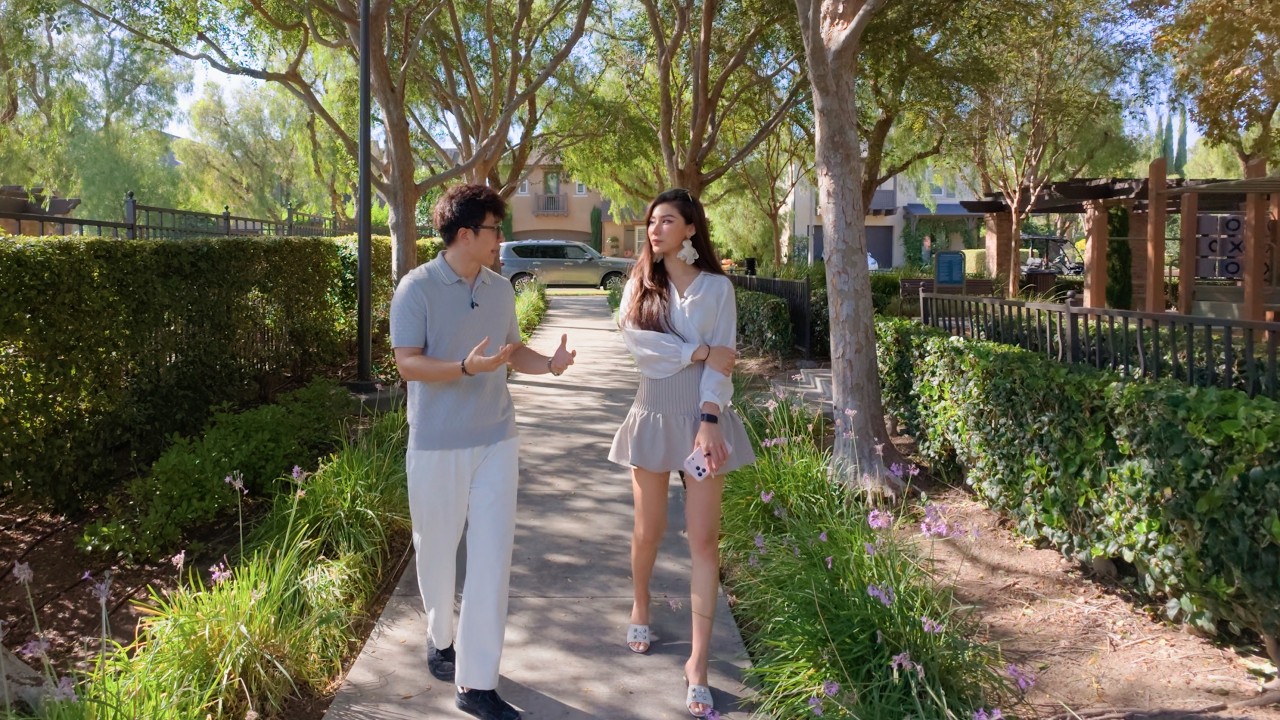
Investing in U.S. Real Estate Step by Step: From an Existing Home to Buying Land
If you are new to investing in U.S. real estate, my advice is to go from shallow to deep, one step at a time. First buy an existing home and learn how a purchase works. Then do cosmetic renovations, then structural changes and additions, then a teardown and rebuild, and only after that buy land to develop. Each step up raises both the potential return and the risk, so do not jump straight to buying land and building.
Watch the original video on YouTube
Why go one step at a time
Over the years I have invested in quite a few homes myself, and I have done renovations. I often tell viewers: developing real estate is not off limits, but you need to progress step by step. I know people who started right away with a ground-up building project, and so far it is losing money. The reason is often simply that many things turn out differently from what you imagined, and you end up dissatisfied.
Step 1: buy an existing home first
Start by buying a home so that you learn how the whole process of buying and selling works. It is the most basic step, and the easiest one to gain experience from. In the video I said to begin with a basic purchase, go through the transaction once, and only then think about moving up.
Step 2: cosmetic renovation
Once you have that experience, you can do cosmetic renovations, meaning updates to finishes and appearance without touching the structure. A colleague on our team has already renovated two homes this way. A project like this is a sensible second step to practice on.
Step 3: structural renovation and additions
One level up are renovations that change the structure, and additions. Now you invest more time, you need planning, and you need capital for the addition. If you are flipping (buying, improving and reselling quickly), you sometimes borrow as well. As the money in grows, the room for profit grows, and so does the risk.
Step 4: teardown and rebuild
After that comes buying a run-down older home, tearing it down and building a new one. This is another level beyond an addition. You go from changing an existing house to building one from the ground up, and there are more things to deal with.
Step 5: buying land to develop
Last comes buying land. It might be a lot where the house was burned down, or brand-new raw land. Raw and improved land are different: with raw land you handle utilities such as water and power yourself. Some people even buy land out of state to develop. At this stage profits can be high, and the risk is relatively large too. If you jump straight to buying land and building, I am not saying you will certainly fail or lose money, but many things will differ from what you expected, and you will probably be unhappy with the result.
Risk and return grow together
I summed up the logic in the video in one sentence: risk and return rise together.
Buying an ordinary home in the United States has a very small chance of losing money, and most of the time you make money. So it is the lowest-risk approach, with returns that are relatively stable. But the return is not that high. In this 2025 video I said that an ordinary home appreciates roughly 3% to 5% a year.
As you start adding value, whether through cosmetic renovation, additions or structural changes, you put in time, planning and money, and the risk grows along with the profit. Further up, in teardowns, land purchases and site utilities, profits can be high and the risk is large too.
So I do not recommend that viewers skip the smaller-return, smaller-risk projects on their first investment and go straight to the high-risk, high-return ones. Very often that is not a risk you want to carry. A more sensible path is to do several transactions, learn by experience, and only then take on large-scale development.
Everyone's situation is different
My view is that every person's investment strategy should be different. A project that suits one person can be too risky for another. The risk behind a return has to be one you can afford to carry. If you are thinking about this, first work out how much risk and how much capital you can really handle.
Editor's note
This article is based on what Fei Li said in a February 2025 video. The subtitles for that video are machine transcription, so details should be checked against the video. The remark that an ordinary home appreciates about 3% to 5% a year is a general statement in the video. It is not a statistic for any area or period, and it is not a forecast. Prices can rise, stay flat or fall.
Permits, costs, financing terms, timelines and taxes for renovations, additions, teardowns and land development vary widely by location. Check with local government offices, licensed contractors, lenders and tax professionals. This article only describes a way of thinking about going step by step. It is not investment, legal, tax or lending advice, and not a recommendation of any project. Investing in real estate can lose money.
FAQ
Where should a beginner start when investing in U.S. real estate?
I suggest starting with buying an existing home and going through the whole transaction once. Then consider cosmetic renovation, and only after that structural changes, additions, teardown and rebuild, and land. Each step up raises both risk and return.
Land development has high returns, so why not start there?
Because the risk is just as large. Buying land brings utilities, planning, capital and time, and many things differ from a beginner's expectations. My view is to gain experience through several transactions first, then take on larger development.
What is the lowest-risk way to start?
As I described it in my 2025 video, buying an ordinary existing home has a very small chance of losing money and relatively stable returns, but the returns are also relatively low. That is a general statement. For any specific home you still need to look at the price, the loan and the market.