

Are Bank-Owned (REO) Homes Always Cheap? How They Differ from Foreclosures and Short Sales
A bank-owned home, or REO, is a house the bank has taken back and is now selling. It is not the same thing as a foreclosure auction or a short sale, and it is not always cheaper than comparable homes: the bank often prices it by what the owner owed, not by what the home is worth. In an April 2025 video I viewed a bank-owned home that was still priced about $100,000 to $150,000 too high by our analysis. Here is how the three situations differ and what to check before buying one.

Investing in U.S. Real Estate Step by Step: From an Existing Home to Buying Land
If you are new to investing in U.S. real estate, my advice is to go from shallow to deep, one step at a time. First buy an existing home and learn how a purchase works. Then do cosmetic renovations, then structural changes and additions, then a teardown and rebuild, and only after that buy land to develop. Each step up raises both the potential return and the risk, so do not jump straight to buying land and building.

A Hidden Gem Next to Irvine: Mission Viejo
Irvine is expensive and increasingly dense. Where else can buyers look? Fei Li visits Mission Viejo, a master-planned hillside city developed before much of Irvine, and covers its lower density, single-loaded streets, view lots, the private Lake Mission Viejo, and how to evaluate older homes with an eye for potential.
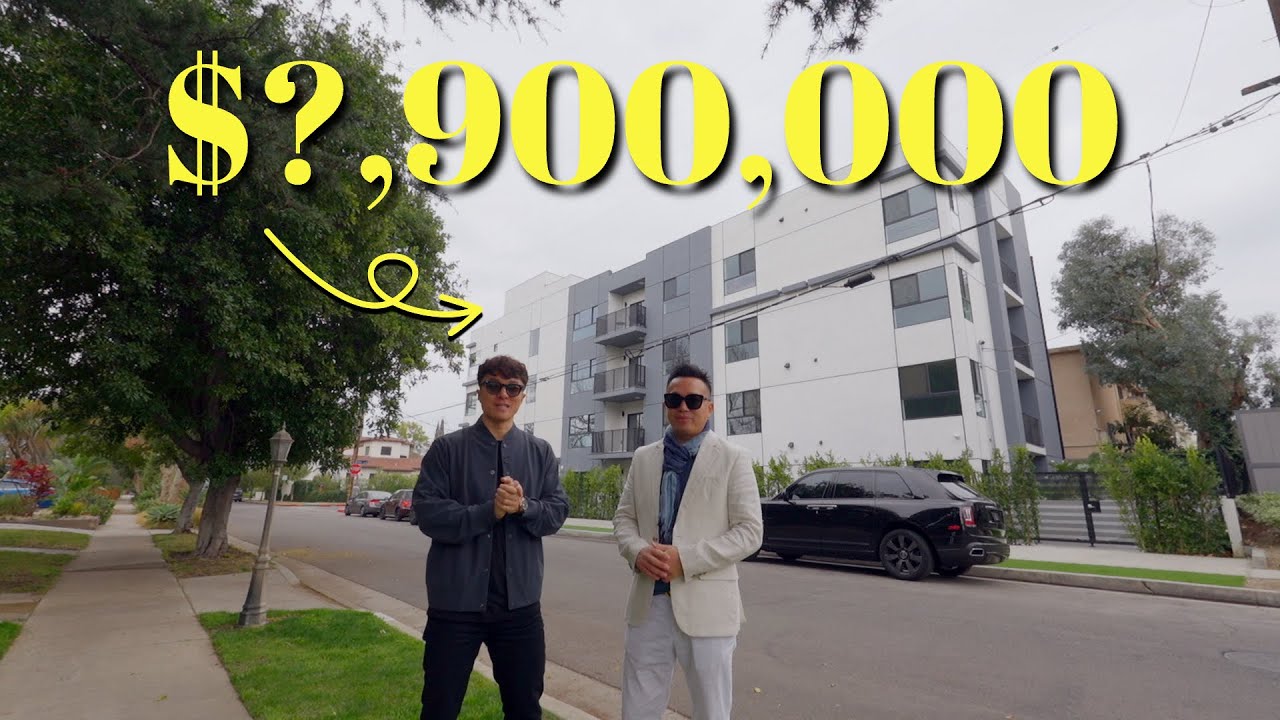
About $8M: One Irvine House or a 12-Unit North Hollywood Building?
In February 2025 a colleague and I toured a nearly finished 12-unit apartment building in North Hollywood. It was asking $7.9 million, with projected rents of $40,000 to $50,000 a month in total, about the price of one five-bedroom house in Irvine listed at $8 million.

After the Los Angeles Wildfires: Home Insurance Rumors, Answered
During the January 2025 Los Angeles wildfires, rumors spread that insurers canceled policies right before the fire, that luxury homes could not get full coverage, and that insurers would all go under. I asked an insurance broker to respond to each. Every figure and rule here is what she said in January 2025. Your policy and your insurer’s written answer control.

How We Stage a Home Before Listing: Three Irvine Examples
Preparing a home for sale has one goal: remove the signs of daily life so a resale home feels ready for the next owner. Using three Irvine homes about to hit the market, I show what we do when the owner still lives there, when the home sits empty, and when a family is in full daily-life mode.